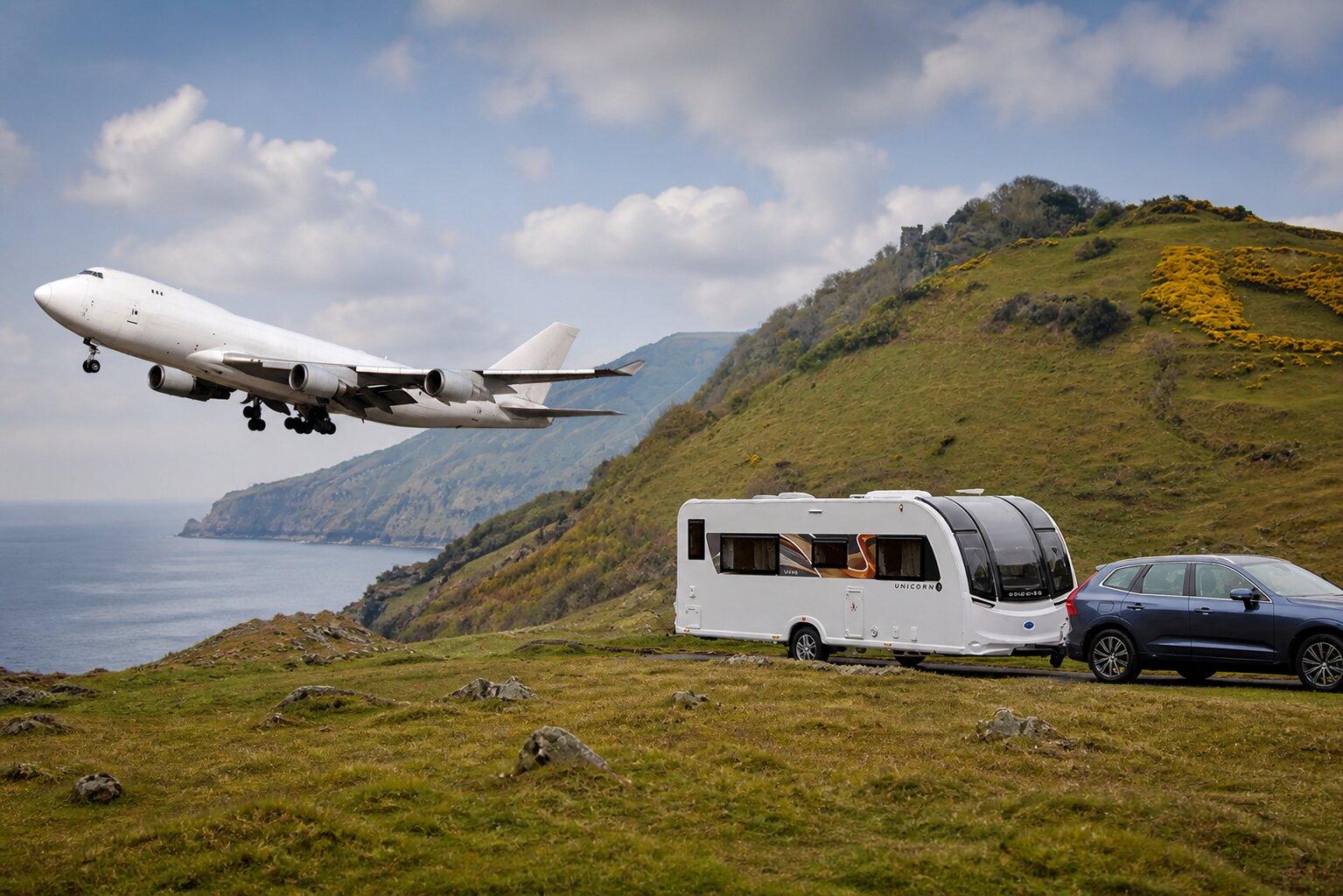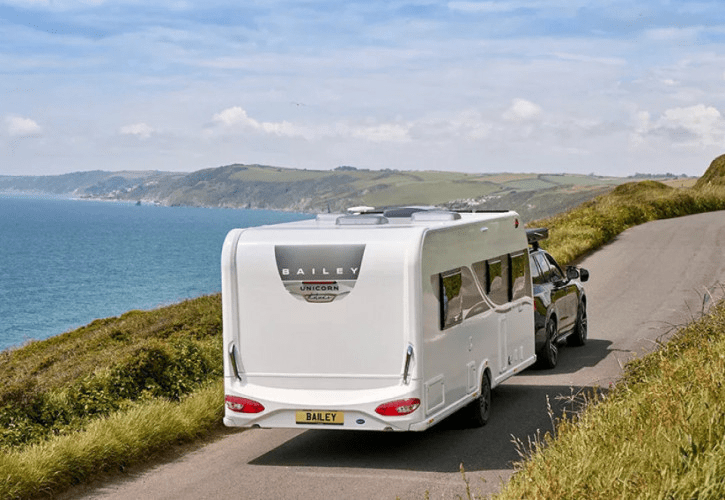
Touring with a caravan is one of the most enjoyable ways to explore the beauty of the UK. However, it’s essential to understand and follow the legal speed limits for towing a caravan to ensure safety on the road, avoid fines, and keep your insurance valid.
Unlike driving a regular car, towing a caravan introduces specific restrictions, especially when it comes to speed limits. In this post, we’ll break down the UK speed limits for touring caravans across single carriageways, dual carriageways, and motorways. We’ll also explain what the national speed limit sign means when you’re towing a caravan, and how to interpret the standard numerical speed limit signs when towing.
Are Caravan Speed Limits Different To Cars Without a Trailer?
Yes they are and before diving into the details of why they are lower and what is the limit, it’s important to understand why caravans are subject to lower speed limits. Towing affects a vehicle’s handling, braking distance, and acceleration. A caravan adds significant weight and can sway, especially at high speeds. The lower speed limits are in place to reduce the risk of accidents and ensure the safety of both the driver and other road users.
Speed Limits for Touring Caravans in the UK
Here’s a breakdown of the speed limits that apply when towing a caravan with a standard car in the UK:
| Road Type | Speed Limit for Caravans |
|---|---|
| Single Carriageway | 50 mph |
| Dual Carriageway | 60 mph |
| Motorway | 60 mph |
| Built-up Areas | 30 mph (unless otherwise stated) |
These limits apply whether you’re towing a touring caravan, a trailer tent, or a trailer in general.
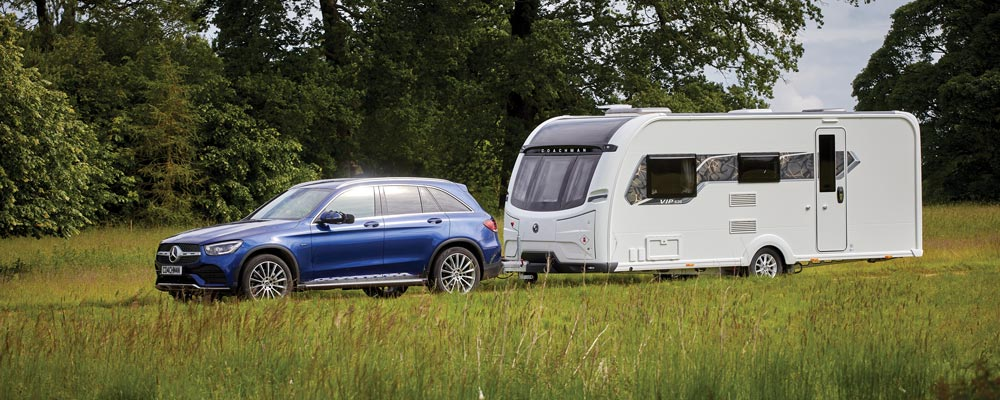
Single Carriageways
A single carriageway is a road with one lane (or multiple lanes) in each direction, but with no central barrier or physical separation between the flows of traffic.
Speed Limit When Towing
- 50 mph is the maximum legal speed when towing a caravan.
Key Considerations:
- Even if the road is wide or has overtaking lanes, you must still adhere to the 50 mph limit.
- Overtaking must be done with great caution — acceleration is slower and your stopping distance is longer.
- On country roads and rural areas, this reduced speed is especially important due to tight bends and limited visibility.
Tip:
Many accidents involving caravans occur on single carriageway roads due to misjudged overtaking or excessive speed on bends. Always drive defensively and watch for warning signs about tight corners or steep gradients.

Dual Carriageways
A dual carriageway is a road with a central reservation separating traffic flowing in opposite directions, often with two or more lanes each way.
Speed Limit When Towing
- 60 mph is the maximum legal speed for vehicles towing caravans.
Key Considerations:
- You cannot use the outside (right-hand) lane if towing a caravan on a three-lane dual carriageway unless directed by signs or in specific situations (e.g., road closures).
- While 60 mph is the upper limit, you should adjust your speed depending on wind conditions and road gradient.
- Be aware of “buffeting” from large vehicles like HGVs, which can affect caravan stability.
Tip:
Ensure your caravan has a stabiliser hitch or anti-snake device, especially if you plan to drive at the top of the limit on a dual carriageway.
Motorways
Motorways are high-speed roads designed for long-distance travel with multiple lanes, controlled access, and no intersections or pedestrian traffic.
Speed Limit When Towing
- 60 mph is the maximum speed for a vehicle towing a caravan.
- You must not use the outside (right-hand) lane on a motorway with three or more lanes unless signage allows it.
Key Considerations:
- You must not enter the motorway if your vehicle is restricted to a speed below 50 mph (e.g. some slow-moving tractors or older caravans).
- Be cautious of crosswinds and turbulence from lorries.
- Plan your journey around motorway services for breaks — long driving while towing is more tiring than normal driving.
Tip:
Use extended mirrors if your caravan is wider than your car’s rear view. It’s a legal requirement and also helps ensure safe lane changes.
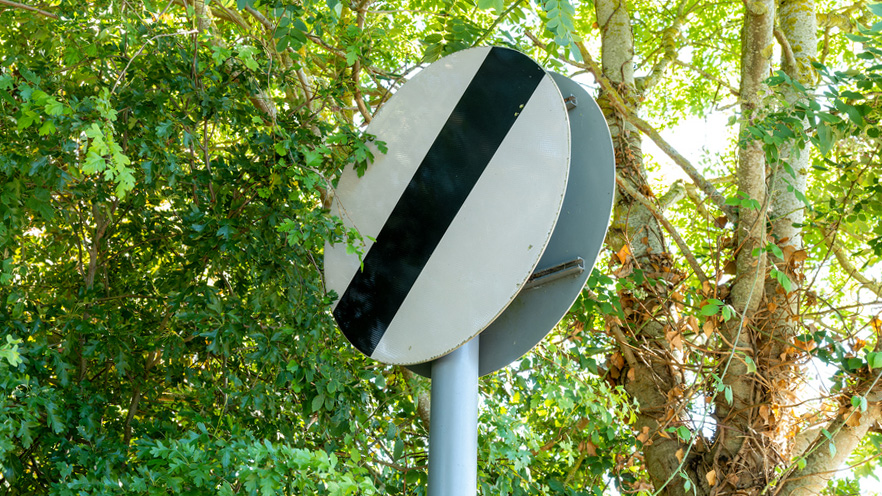
National Speed Limit Sign: What It Means for Caravans
The national speed limit sign in the UK is a white circular sign with a black diagonal stripe. It’s one of the most misunderstood signs among caravan drivers.
For Cars (not towing):
- Single carriageway: 60 mph
- Dual carriageway and motorway: 70 mph
For Cars Towing a Caravan – It’s 10mph less:
- Single carriageway: 50 mph
- Dual carriageway/motorway: 60 mph
So, when you see this sign:
- Do not assume 60 or 70 mph applies to you. The lower caravan limits still apply.
- This sign does not override the caravan towing restrictions — it only indicates the general limit for that type of road when not towing.

Numbered Speed Limit Signs and Caravans
Numbered speed limit signs show the maximum speed allowed on a specific stretch of road, and they apply to all vehicles unless specifically stated otherwise.
For Example:
- A circular sign with 40 means the maximum speed for everyone is 40 mph — this includes vehicles towing caravans.
- If the sign says 30, then 30 mph is the limit — not the default 50 or 60 for caravan towing.
Key Rule:
You must never exceed a signed speed limit, regardless of your towing status.
Caravan Towing Laws On UK Roads.
- Trailer Towing Test: If you passed your driving test after January 1, 1997, you were previously required to take a trailer test (B+E) to tow heavier caravans. However, as of late 2021, this requirement has been removed — but make sure to check current DVLA regulations.
- Towing Weight: Make sure the weight of your caravan does not exceed the manufacturer’s towing capacity for your car. Overloading is both illegal and dangerous.
- Mirrors: If the caravan is wider than the tow vehicle then it is a legal requirement to have towing mirrors fitted. Not using them could result in a fine and penalty points.
- Third-Lanes On dual carriageways and motorways: When towing a caravan you’re not permitted to use the right-hand (offside) lane. This restriction applies to all types of trailers. You should stay in the first lane (left-hand lane) and only use the second lane (middle lane) for overtaking.
- Number Plates: You must display the same number plate on your caravan as on your towing car.
- Caravan Brakes: Your caravan must have a working brake system if it weighs over 750kg when it’s loaded, which is most caravans manufactured.
For more information on towing laws check out our article on:
Can I Tow A Caravan A Complete Guide To Licence Rules & Towing Weights
Conclusion
Driving with a touring caravan brings a unique set of responsibilities. Understanding and following the correct speed limits – 50 mph on single carriageways and 60 mph on dual carriageways and motorways – is vital for your safety and the safety of others.
Always pay attention to road signs, but remember that when towing, your speed limits are different from normal cars – even when a national or numbered speed limit seems to allow for faster travel.
By staying informed and cautious, you can enjoy the freedom of the open road while keeping your journey legal, smooth, and safe.