What Is a Wet Timing Belt?
A wet timing belt, sometimes referred to as a “belt-in-oil,” is a newer type of timing system developed by manufacturers to make engines run more smoothly and efficiently. Traditional dry timing belts sit outside the engine and are exposed to the air, but a wet timing belt is designed to run internally, submerged in and constantly lubricated by the engine’s oil supply. This design helps reduce friction between moving parts, which not only improves fuel efficiency but also makes the engine quieter and more refined during operation.
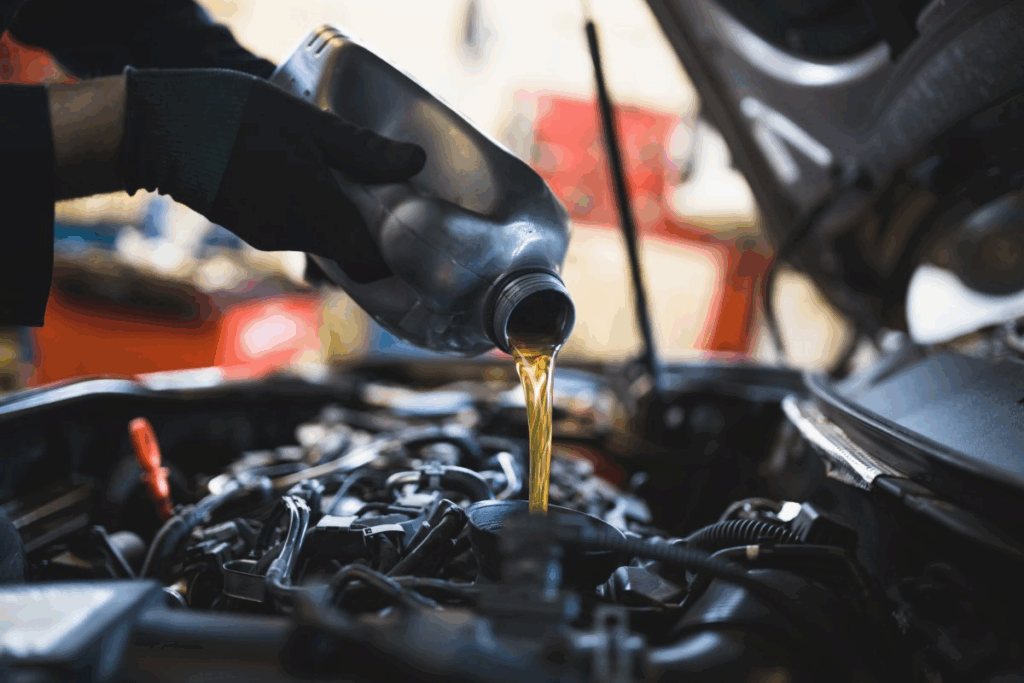
The oil bath also helps to minimise wear on the belt itself, in theory extending its lifespan compared to older systems. However, because the belt relies so heavily on the quality of the engine oil, missed or irregular oil changes can cause the belt material to break down more quickly. This can lead to serious engine issues if not properly maintained.
Wet timing belts are most often found in modern petrol engines, particularly smaller turbocharged units, where manufacturers are looking for ways to increase performance while reducing emissions and running costs.
How To Detect Issues With Wet Timing Belts?
Early warning signs of a failing wet timing belt can often be subtle at first, but they should never be overlooked. One of the most common indications is the engine warning light appearing on your dashboard, as modern vehicles are equipped with sensors that detect issues such as poor timing or oil pressure changes caused by belt wear.
You may also notice unusual noises coming from the engine, such as ticking, knocking, or rattling, which typically occur when the belt begins to wear down or slip on its pulleys. In some cases, a deteriorating belt can lead to misfires or even sudden stalling, as the precise timing between the camshaft and crankshaft is disrupted.
Another clear sign is a noticeable loss of power or efficiency; if the belt is slipping, the engine will often struggle to perform as it should, resulting in sluggish acceleration and reduced fuel economy.
Finally, excessive or unusual exhaust smoke may appear when the valve timing is thrown off by a worn belt, leading to incomplete combustion inside the engine. If any of these symptoms are present, it is crucial to have the belt inspected and replaced as soon as possible to prevent serious engine damage.
When Should You Replace A Wet Timing Belt?
On average, a wet timing belt should last around 6 years or up to 100,000 miles – but this depends heavily on oil quality and regular servicing. Vehicles with poor oil maintenance may need replacement much sooner.