Choosing a motorhome can feel overwhelming, especially if you’re new to the world of leisure vehicles. With so many types of motorhome classes, layouts and terms being used—often differently in the UK and the US—it’s not always clear where to start.
As a motorhome dealer, one of the most common questions we hear is: “What type of motorhome is right for me?” This guide is designed to answer exactly that. It’s written with first-time buyers in mind, using clear language, practical examples, and honest pros and cons so you can make a confident decision.
We’ll explain:
- What a motorhome is
- The main types of motorhome classes (Class A, B and C)
- How those classes translate to the UK market
- The advantages and disadvantages of each type
- Why you might choose one class over another
- Other popular motorhome styles
- How to decide which motorhome suits your needs

What Is a Motorhome?
A motorhome is a self-contained vehicle that combines driving and living accommodation in one unit. Unlike a caravan, it doesn’t need towing, and unlike a camper trailer, it includes permanent living facilities such as:
- Sleeping areas
- A kitchen or kitchenette
- Seating and dining space
- Onboard water and power systems
- Often a toilet and shower
Motorhomes are popular because they offer freedom, flexibility and comfort—whether you’re heading off for a weekend break, touring the UK, or travelling across Europe.
Understanding Types of Motorhome Classes (US vs UK)
When researching motorhomes online, you’ll often see references to Class A, Class B and Class C motorhomes. These terms are most commonly used in the United States.
In the UK and Europe, we tend to describe motorhomes slightly differently:
- Class A (US) → A-Class motorhomes (UK)
- Class B (US) → Campervans / camper conversions (UK)
- Class C (US) → Coachbuilt motorhomes, UK’s most common type of motorhome (UK)
Understanding this difference is key, especially when comparing models or watching international reviews.
Class A Motorhomes (A-Class Motorhomes in the UK)
What Is a Class A Motorhome?
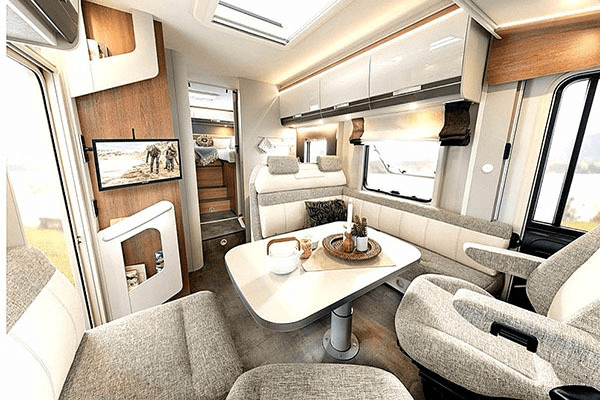
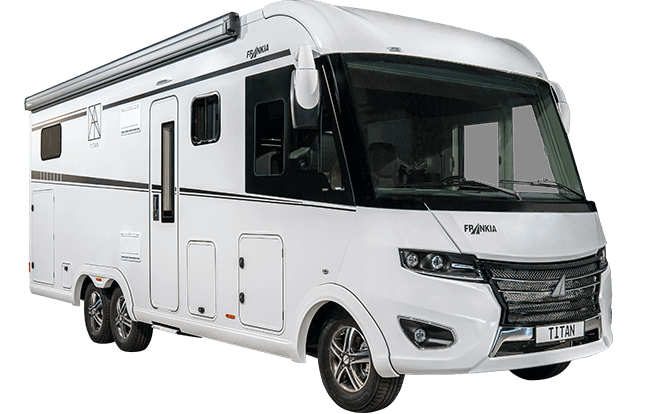
A Class A motorhome is the largest and most luxurious of all motorhome classes. These vehicles are built on a specialist chassis and have a distinctive flat front with a panoramic windscreen.
In the UK, they’re known as A-Class motorhomes and are often considered the premium end of the market.
Advantages of Class A Motorhomes
- Exceptional living space and headroom
- Luxury interiors with high-quality finishes
- Large kitchens and bathrooms
- Excellent visibility from the driver’s seat
- Ideal for long trips or full-time touring
- Unique features such as having the capacity to have vehicles onboard
Disadvantages of Class A Motorhomes
- Higher purchase price
- Larger size can feel daunting for beginners
- Higher fuel and maintenance costs
- Access restrictions on narrow roads or smaller campsites
- Less choice on the used market compared to other classes
Why Choose a Class A Motorhome? Perfect For…
You might choose a Class A motorhome if you value comfort, space and luxury above all else. They’re particularly popular with couples planning extended European tours or customers looking to spend long periods living on the road. Many commercial companies choose this class of motorhome for travel too, whether for actors on location or even celebrity friends like Gino, Fred, and Gordon.

Popular Class A / A-Class Brands
- Hymer B-Class SupremeLine
- Carthago Chic C-Line
- Niesmann + Bischoff Arto
- Phoenix Top-Liner
- Winnebago Adventurer (US)
- Morelo
- Frankia
Class B Motorhomes (Campervans and Camper Conversions)
What Is a Class B Motorhome?
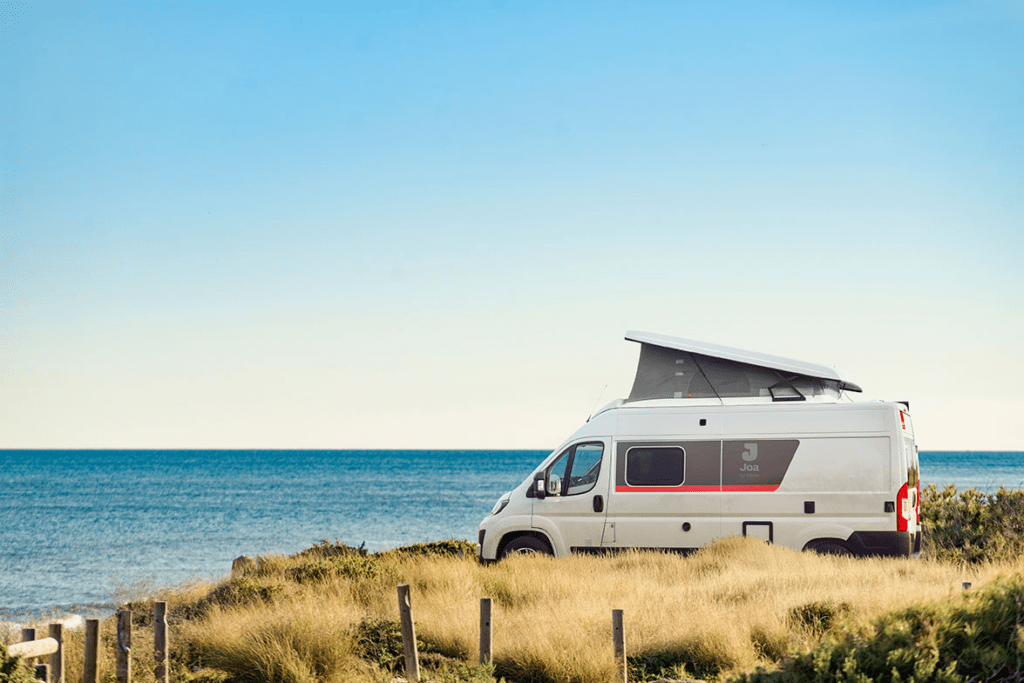
A Class B motorhome is the smallest of the motorhome classes. It’s built within the original body of a van, such as a Fiat Ducato, Ford Transit or Mercedes-Benz Sprinter.
In the UK, these are commonly called campervans, panel van conversions, or camper conversions.
Advantages of Class B Motorhomes
- Easy to drive and park
- Often suitable as a daily vehicle – Hybrid motorhome
- Lower fuel consumption
- More discreet appearance
- Great for short trips and spontaneous travel
- More likely to fit on your drive
- Low risk of water ingress due to the construction
Disadvantages of Class B Motorhomes
- Limited internal space
- Smaller kitchens and washrooms
- Less storage capacity
- Best suited to one or two people
Why Choose a Class B Motorhome?
Here’s a clear and polished rewrite of your paragraph:
Class B motorhomes, or campervans, in the UK are perfect for beginners, offering a driving experience that feels familiar. They’re ideal for weekend getaways, day trips, festivals, and touring where flexibility and easy access are key. If you want a motorhome that can double as your everyday vehicle, this option ticks both boxes—serving as both a practical daily ride and your home away from home
Popular Class B / Campervan Ranges
- Swift Treker (Ford Transit)
- Bailey Endeavour (Ford Transit)
- Converted Volkswagen Transporter
- Joa Camp (Fiat Ducato)
- Auto-Sleeper Symbol (Fiat / Mercedez-Benz)
- Elddis Autoquest (Fiat Ducato)
Class C Motorhomes (Coachbuilt Motorhomes)
What Is a Class C Motorhome?
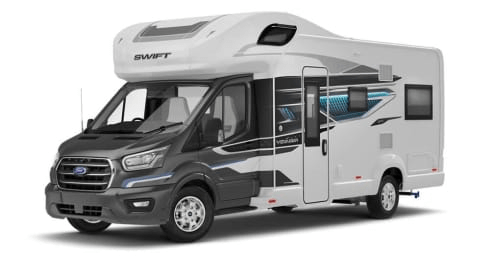
A Class C motorhome falls between Class A and Class B in size. Constructed on a van chassis, it has a larger living area and typically comes in either a low-profile design or with a sleeping space above the cab.
In the UK, these are typically referred to as low profile coachbuilt motorhomes or coachbuilt motorhomes with an overcab bed. Coachbuilt motorhomes are the most common type of motorhome in the UK.
Advantages of Class C Motorhomes
- More living and sleeping space than campervans
- Excellent choice for families
- Good value for money
- Often includes generous storage and rear garages
- Great for long trips away
- Comes in many different layouts that can accommodate different family requirements
- Lots of choice on the market
Disadvantages of Class C Motorhomes
- Taller and less aerodynamic
- Higher fuel consumption than Class B
- Less streamlined appearance
- Requires more storage area on your drive or at a dedicated storage yard.
Why Choose a Class C Motorhome?
Class C motorhomes or coachbuilt motorhomes are a popular choice for first-time buyers and existing motorhomes who want space without moving to a luxury A-Class. They offer practical layouts and flexibility for both short breaks and longer holidays.
Popular Class C / Coachbuilt Models
- Swift Escape / Kon Tiki
- Bailey Autograph
- Auto-Trail Apache
- Roller Team Auto-Roller
- Elddis Supreme
- Jayco Redhawk (US)
Other Common Motorhome Types You’ll See & Hear in the UK
Low-Profile Motorhomes
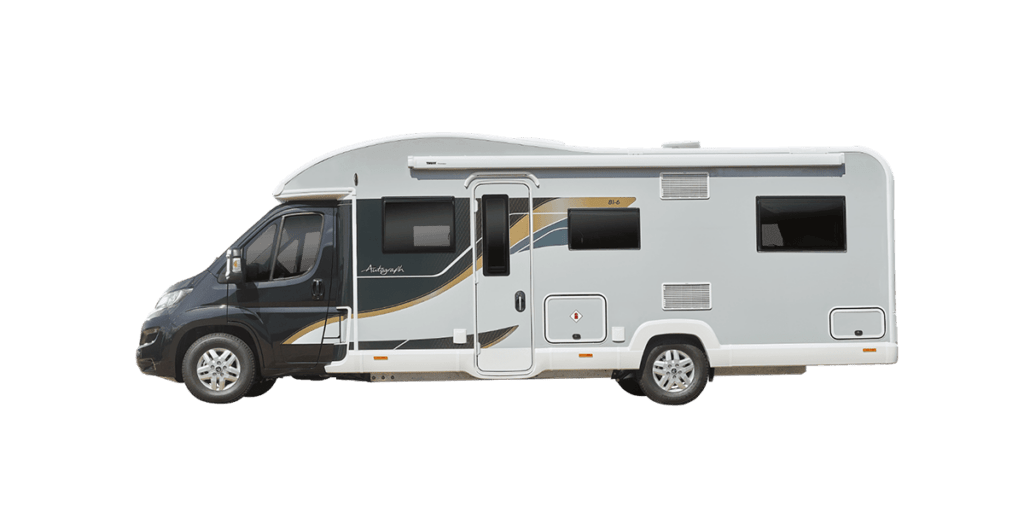
As mentioned previously, low-profile motorhomes remove the overcab bed, creating a sleeker shape and motorhome with lower height.
Best for: Couples and small families who want modern styling.
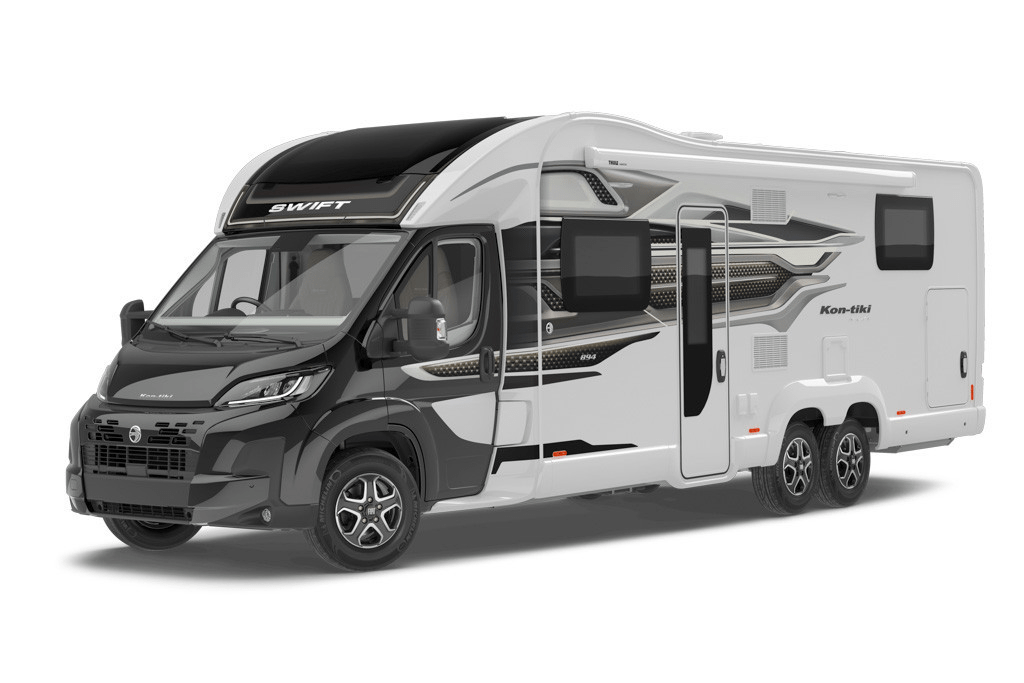
Tag Axle Motorhomes
Tag axle motorhomes feature two rear axles for extra stability and payload. As a result these motorhomes tend to have larger living space.
Best for: Long-term touring and heavy loads.
Examples: Carthago Chic E-Line Tag Axle, Hymer MasterLine, Swift Kon Tiki
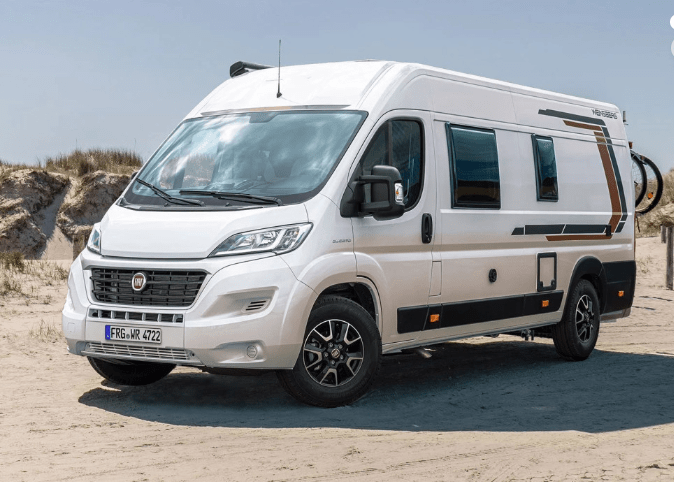
High-Top Campervans
A fixed high roof provides permanent standing height without the use of a pop top roof.
Best for: All-season use and simplicity.
Examples: Auto-Sleeper Warwick XL, Hymer Free S
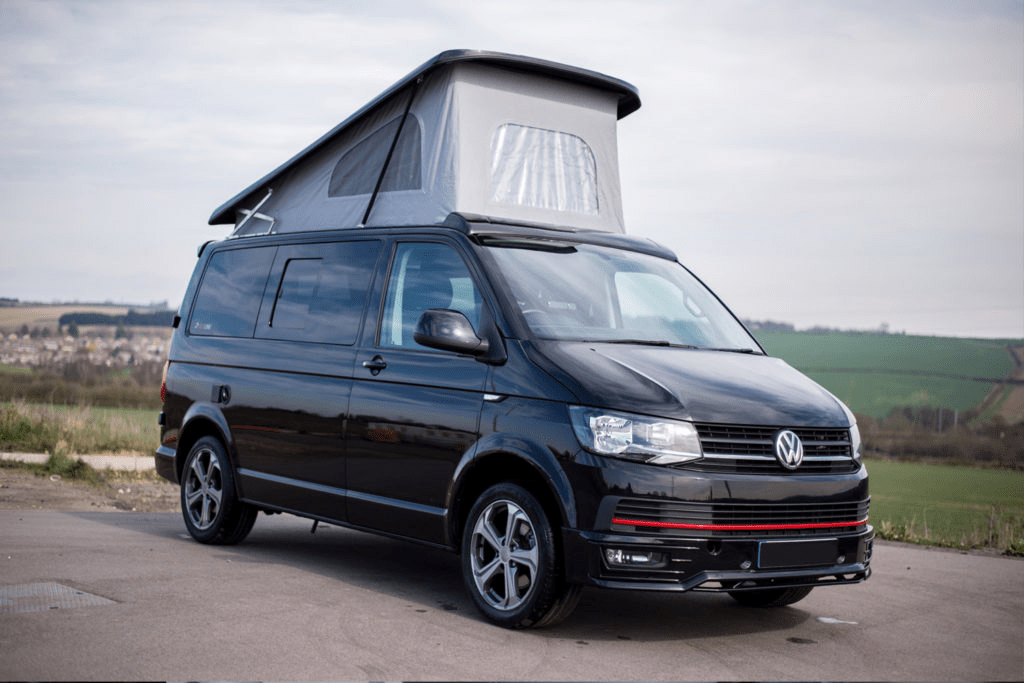
Pop-Top Roof Campers
A lifting fabric roof adds sleeping space while keeping driving height low.
Best for: Families and everyday usability.
Examples: VW California Ocean, Ford Nugget Plus
How to Decide What Motorhome Type You Need
When choosing between different types of motorhome classes, consider:
- How many people will travel regularly?
- Do you plan short trips or long trips away?
- Will you drive in towns, cities or rural areas?
- Do you need lots of storage or payload?
- What is your budget for purchase and running costs?
- Do you want it to replace your everyday vehicle?
Quick Buyer Guide
- First-time buyers: Class B (campervans) or Class C (coachbuilt)
- Couples touring Europe: Low-profile or A-Class
- Families: Class C / overcab coachbuilt or A-Class
- Luxury or full-time use: Class A
Frequently Asked Questions
What is the easiest motorhome to drive?
Campervans (Class B) are generally the easiest to drive, especially for beginners, as their smaller size and aerodynamic design make them feel more like driving a car.
Are bigger motorhomes worth it?
If you spend long periods on the road, the extra comfort can be well worth it, though it depends on your circumstances, such as how many and what types of sleeping areas you need, as well as the storage facilities and amenities required. Not to forget your budget too.
Can I wild camp in a motorhome?
Yes most motorhomes run on 12 V and gas, so many of the basic amenities can be used off-grid. However, appliances like microwaves and standard 3-pin plugs may not work unless you have an inverter or generator. For regular off-grid use, a solar panel is recommended to keep your battery charged and prevent it from running down.
Do I need a special licence?
In the UK, motorhomes MTPLM (Maximum Technical Permissible Laden Mass) over 3,500 kg require a C1 licence, which involves taking an additional driving test to obtain. Motorhomes that are 3,500kg or less can be driven with a normal licence.
Which motorhome class is best for beginners?
Most beginners tend to start with a Class B or Class C motorhome before upgrading later.
Final Thoughts
Understanding the different types of motorhome classes makes choosing the right vehicle far simpler. Whether you’re drawn to a compact campervan, a practical coachbuilt, or a luxury A-Class motorhome, the best choice is the one that matches your lifestyle and travel plans.
If you’re unsure, speak to a knowledgeable dealer, view different layouts in person, and don’t rush the decision. The right motorhome will open the door to years of memorable travel.
Check out our range of motorhomes for sale here