When it comes to caravanning, understanding the dimensions of your caravan is crucial for a smooth and enjoyable experience, as well as knowing if you can store it adequately. One of the key dimensions to consider is width. Whether you’re a seasoned caravaner or a beginner, knowing how wide a caravan is can affect everything from manoeuvrability on the road to fitting in campsites. In this blog, we’ll delve into the different widths of caravans, including standard widths and wider options, to help you choose the right one for your adventures.
Standard Caravan Widths
What is the Standard Width?
Most caravans come in a standard width of around 2.2 meters to 2.3 meters (approximately 7.2-7.5 feet). This measurement is widely recognised in many countries, particularly in UK, Europe and Australia. The design of caravans within this width range ensures they can fit comfortably on most roads and campsites while providing enough internal space for living.
Advantages Of A Standard Width Caravan?
- Better Manoeuvrability: Caravans with standard widths are easier to manoeuvre, especially in tight spaces like campsites or city streets. They provide a good balance between comfort and practicality.
- Generally Lighter: Many vehicles are equipped to tow caravans of this width due to the weight is likely to be less than a 8 foot wide caravan, making them a more versatile choice for those who want to hit the road without investing in a larger tow vehicle.
- Less Campsite Restrictions: Most campsites are designed to accommodate standard-width caravans. Knowing the width helps you select suitable sites without the risk of being turned away due to size limitations.
- Better Visibility Whilst Towing: When towing a standard width caravans, it is easier to see either side of the caravan through your towing mirrors compared to a wider 8 foot wide caravan. Most drivers are more confident towing and reversing a standard width caravan as opposed to a 8 foot wide caravan due to the visibility around the caravan.
- Easier To Park: More responsive when reversing and easier to park in standard-sized parking areas.
- Lower Purchase Cost & Maintenance Costs: Typically standard width caravans are cheaper to buy than wider caravans but also, they are lower running costs in terms of fuel efficiency and wear on the tow vehicle.
- Less Wind Resistance Whilst Towing: Due to its narrower profile means less air resistance, which can improve towing stability and reduce drag, resulting in better fuel economy.
Wider Caravans: 8-Foot Models
What is an 8-Foot Wide Caravan?
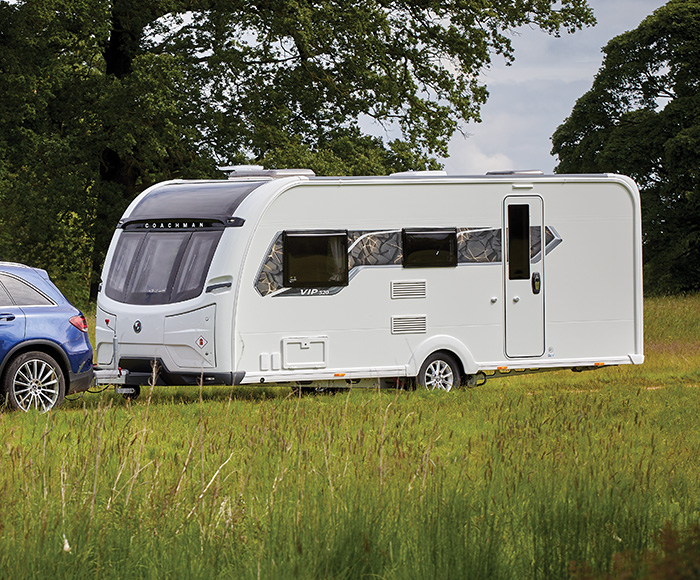
Some caravans are designed to be wider, typically measuring 2.4 meters (approximately 7.9 feet). These caravans are often referred to as “8-foot wide caravans.” They provide additional living space and amenities, making them appealing for families or those who want extra room.
Advantages of 8-Foot Wide Caravans
- Increased Living Space: The additional width allows for more spacious interiors, which can include larger kitchens, living areas, and bedrooms, which provides a “home-like” experience. This is especially beneficial for couples or families who are planning extended trips.
- Enhanced Comfort: With more room to move around, you’ll find it easier to enjoy your caravan experience without feeling cramped. Wider caravans often come with features like larger bathrooms, larger beds and improved storage options.
- Better For Families: The extra space makes 8-foot wide caravans ideal for families, especially those with children, as they allow for more room for everyone to spread out. Can also accommodate larger family groups or additional guests.
- Better Layout Options: The extra width enables manufacturers to create more versatile layouts, providing options that can cater to different needs and preferences.
- Better for Long-Term Travel & Seasonal Pitches: If you plan to spend a lot of time in your caravan, go on extended trips or on seasonal pitches, the increased space makes it more liveable for long stays.Ideal for full-time travellers or those who need more space for hobbies, equipment, or storage.
Considerations When Choosing an 8-Foot Wide Caravan
While 8-foot wide caravans have many advantages, they also come with some considerations:
- Towing Requirements: Ensure that your vehicle is capable of safely towing a wider caravan. You may need a heavier-duty vehicle or a specific towing setup.
- Campsite Accessibility: Not all campsites can accommodate wider caravans. It’s essential to check site specifications before booking to avoid any surprises.
- Manoeuvrability: Wider caravans can be more challenging to manoeuvre, particularly in tight spaces. Practice backing up and navigating before hitting the road to ensure a stress-free experience.
Caravan Width Regulations
Understanding caravan width regulations is crucial, especially if you plan to travel across different regions or countries. Each area may have specific laws regarding caravan dimensions, including width restrictions. In many cases, the following guidelines apply:
- Maximum Width: The maximum width for a caravan is typically around 2.55 meters (approximately 8.4 feet) in regions like Europe. However, this measurement can vary based on local regulations, so it’s important to research the laws in the areas you plan to visit.
- Single vs. Twin Axle: The type of axle can affect width. Twin-axle caravans may be wider due to stability considerations. They also tend to provide better towing performance, especially for larger models. Not sure which to choose then check out this article on single axle v twin axle caravans.

Measuring Caravan Width
If you’re unsure of your caravan’s width, measuring it is straightforward. Here’s how to do it:
- Find a Level Surface: Park your caravan on a flat, level surface to ensure accurate measurements.
- Use a Tape Measure: Measure from the outermost edges of the caravan’s body. Be sure to include any protruding elements, such as awnings, slide-outs, or marker lights.
- Note Additional Widths: If your caravan has any features that extend its width (like awnings), measure those as well. This information is useful for campsite planning.
Impact of Width on Towing and Driving
The width of your caravan can significantly impact your driving experience. Here are some factors to consider:
Stability and Handling
- Narrow vs. Wide Caravans: A narrower caravan may handle better in windy conditions and be easier to tow, while wider caravans offer more stability due to their larger footprint.
Visibility
- Wide Caravans: When towing a wider caravan, visibility can be more challenging. Ensure your mirrors provide adequate coverage and consider using extended mirrors for improved visibility.

Cornering and Maneuvering
- Tight Corners: Wider caravans may struggle more in tight corners. When navigating narrow roads or tight turns, practice patience and take your time, especially on some roads in Cornwall and Scotland.
Conclusion: Choosing the Right Width for Your Caravan
When deciding on a caravan, understanding width is crucial for a successful caravanning experience. Standard widths of 2.2-2.3 meters offer a balance of comfort and manoeuvrability, while 8-foot wide options provide additional space for families or longer trips. Each option has its advantages and considerations, particularly regarding towing requirements and campsite accessibility. If you’re in the market for a caravan then check out our caravans for sale, as well as our range of 8 foot wide caravans.
As you plan your next adventure, keep in mind the dimensions of your caravan and how they will affect your journey. Whether you opt for a standard model or a wider caravan, the right choice will enhance your caravanning experience, allowing you to enjoy the freedom of the open road while feeling comfortable and at home.